Nervous System Care: A Guide to Restorative Yoga
Updated: 7 days ago
Restorative yoga is more than just a practice; it is a pathway to healing and rejuvenation for the nervous system. In a world filled with constant stimulation and stress, many people find themselves overwhelmed, anxious, and fatigued. This blog post will explore how restorative yoga can help care for your nervous system, providing practical tips and insights to integrate this calming practice into your life.
Understanding the Nervous System
The nervous system is a complex network that regulates bodily functions and responses. It consists of two main parts: the central nervous system (CNS) and the peripheral nervous system (PNS).
Central Nervous System (CNS): Comprising the brain and spinal cord, the CNS processes information and coordinates actions.
Peripheral Nervous System (PNS): This includes all the nerves outside the CNS, connecting the brain and spinal cord to the rest of the body.
The Role of the Autonomic Nervous System
The autonomic nervous system (ANS), a subset of the PNS, controls involuntary bodily functions such as heart rate, digestion, and respiratory rate. The ANS has two branches:
Sympathetic Nervous System (SNS): Often referred to as the "fight or flight" system, it prepares the body for stressful situations.
Parasympathetic Nervous System (PNS): Known as the "rest and digest" system, it promotes relaxation and recovery.
Restorative yoga primarily engages the parasympathetic nervous system, helping to counteract the effects of stress and anxiety.
The Benefits of Restorative Yoga for the Nervous System
Restorative yoga offers numerous benefits for the nervous system, including:
Reduced Stress: Gentle poses and deep breathing activate the parasympathetic nervous system, lowering cortisol levels and promoting relaxation.
Improved Sleep: Regular practice can enhance sleep quality by calming the mind and body.
Enhanced Focus: By reducing anxiety and stress, restorative yoga can improve concentration and mental clarity.
Emotional Balance: The practice encourages mindfulness, helping to regulate emotions and foster a sense of well-being.
Key Principles of Restorative Yoga
To effectively practice restorative yoga, it is essential to understand its core principles:
1. Support and Comfort
Restorative yoga emphasizes the use of props such as blankets, bolsters, and blocks to support the body in various poses. This support allows for deep relaxation without strain.
2. Slow and Gentle Movements
The practice involves slow, gentle movements that encourage the body to release tension. Poses are held for longer durations, allowing for a deeper connection with the breath and body.
3. Mindfulness and Breath Awareness
Mindfulness is a crucial aspect of restorative yoga. Practitioners are encouraged to focus on their breath and bodily sensations, fostering a sense of presence and awareness.
Essential Restorative Yoga Poses
Here are some essential restorative yoga poses to help care for your nervous system:
1. Supported Child’s Pose (Balasana)
How to Do It: Kneel on the mat, then sit back on your heels. Place a bolster or pillow in front of you and rest your torso on it. Allow your arms to relax alongside your body.
Benefits: This pose promotes relaxation and helps alleviate tension in the back and shoulders.
2. Legs-Up-the-Wall Pose (Viparita Karani)
How to Do It: Sit next to a wall and lie back, swinging your legs up against the wall. Use a folded blanket under your hips for support.
Benefits: This pose encourages blood flow and reduces fatigue, calming the nervous system.
3. Supported Bridge Pose (Setu Bandhasana)
How to Do It: Lie on your back with your knees bent and feet flat on the floor. Place a block or bolster under your sacrum for support.
Benefits: This pose opens the chest and promotes relaxation while relieving tension in the lower back.
4. Savasana (Corpse Pose)
How to Do It: Lie flat on your back with your arms at your sides and legs extended. Use a blanket for warmth and comfort.
Benefits: Savasana allows for complete relaxation and integration of the benefits gained during practice.
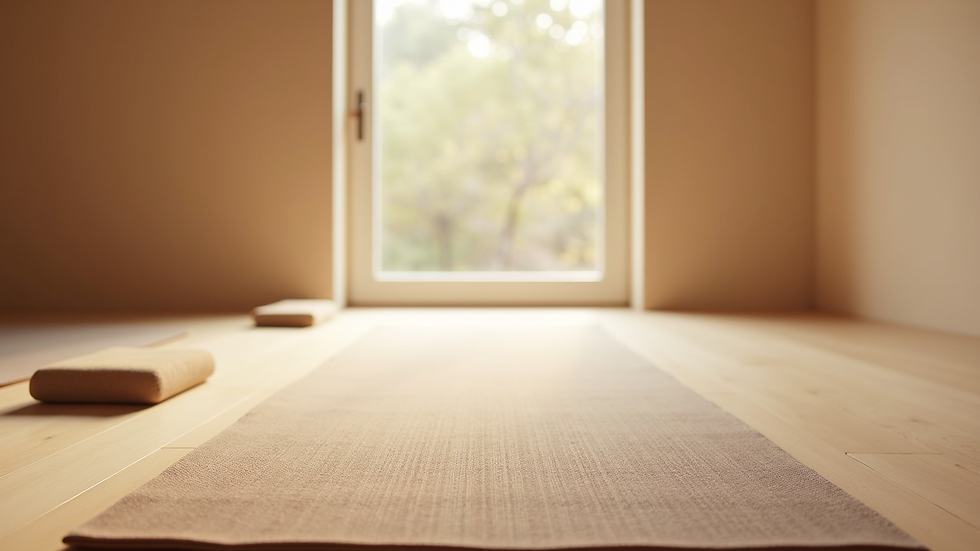
Creating a Restorative Yoga Space
To maximize the benefits of restorative yoga, creating a calming environment is essential. Here are some tips:
Choose a Quiet Space: Find a peaceful area free from distractions.
Use Soft Lighting: Dim the lights or use candles to create a soothing atmosphere.
Incorporate Aromatherapy: Essential oils like lavender or chamomile can enhance relaxation.
Play Soft Music: Gentle music or nature sounds can help set the mood.
Integrating Restorative Yoga into Your Routine
Incorporating restorative yoga into your daily life can be simple and rewarding. Here are some practical tips:
Set a Regular Schedule: Aim for at least two to three restorative yoga sessions per week.
Start with Short Sessions: Begin with 15-20 minutes and gradually increase the duration as you become more comfortable.
Listen to Your Body: Pay attention to how your body feels and adjust poses as needed.
Mindfulness Techniques to Enhance Your Practice
In addition to restorative yoga poses, incorporating mindfulness techniques can further support your nervous system care. Here are some effective methods:
1. Deep Breathing
Practice deep breathing exercises to calm the mind and body. Inhale deeply through the nose, allowing your abdomen to expand, then exhale slowly through the mouth.
2. Body Scan Meditation
Perform a body scan meditation by focusing on each part of your body, starting from your toes and moving up to your head. Notice any tension and consciously relax those areas.
3. Guided Visualization
Use guided visualization to imagine a peaceful place or scenario. This technique can help reduce anxiety and promote relaxation.
The Importance of Consistency
Consistency is key when it comes to reaping the benefits of restorative yoga. Regular practice helps train the nervous system to respond more effectively to stressors, leading to long-term improvements in mental and emotional well-being.
Conclusion
Restorative yoga is a powerful tool for caring for your nervous system. By incorporating gentle poses, mindfulness techniques, and creating a calming environment, you can cultivate a sense of peace and balance in your life. Start small, be consistent, and allow yourself the time to unwind and rejuvenate. Your nervous system will thank you for it.
Take the first step today by setting aside time for a restorative yoga session. Embrace the journey towards a calmer, more centered you.
Comments